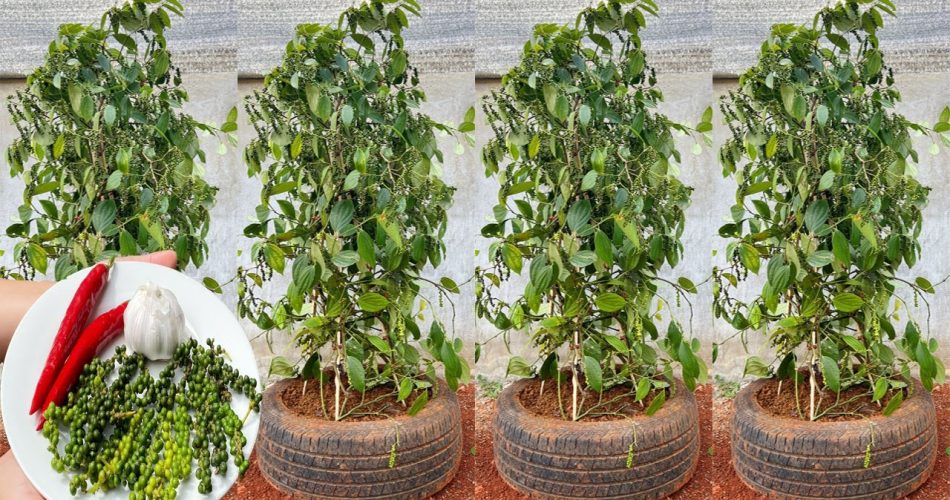
Growing peppers from pepper plants is a rewarding and relatively straightforward process. Here’s a beginner’s guide on how to grow and care for pepper plants:
Growing Peppers from Seeds:
Materials Needed:
- Pepper Seeds:
- Choose a pepper variety that suits your taste preferences and growing conditions.
- Seed Starting Mix:
- Use a well-draining seed starting mix for germinating seeds.
- Seed Trays or Pots:
- Small containers with drainage holes for starting seeds.
- Watering Can or Spray Bottle:
- To keep the soil consistently moist.
- Grow Lights (Optional):
- If you’re starting seeds indoors, provide supplemental light if natural sunlight is insufficient.
Steps:
- Seed Germination:
- Start pepper seeds indoors 8-10 weeks before the last expected frost in your area. Plant seeds in moist seed starting mix at a depth of about 1/4 inch.
- Warmth and Light:
- Keep the seed trays or pots in a warm location (around 70-80°F or 21-27°C). Use grow lights if natural sunlight is limited.
- Watering:
- Keep the soil consistently moist but not waterlogged. Use a spray bottle or a watering can with a fine nozzle.
- Transplanting:
- When seedlings have 2-3 sets of true leaves and the risk of frost has passed, transplant them into larger pots or directly into the garden.
Caring for Pepper Plants:
Materials Needed:
- Garden Soil:
- Use well-draining, fertile soil for planting peppers in the garden.
- Mulch:
- Mulch helps retain soil moisture and suppress weeds.
- Stakes or Cages (Optional):
- Larger pepper varieties may benefit from staking or caging to support the plants as they grow.
- Fertilizer:
- Use a balanced fertilizer or one specifically formulated for peppers.
- Watering Can or Garden Hose:
- To provide consistent moisture.
Steps:
- Planting in the Garden:
- Choose a sunny location with well-draining soil. Space pepper plants according to the recommendations for the specific variety.
- Watering:
- Water consistently, aiming for about 1-2 inches of water per week. Peppers prefer slightly moist soil.
- Fertilizing:
- Fertilize with a balanced fertilizer when plants start flowering and fruiting. Follow package instructions for application rates.
- Mulching:
- Apply a layer of mulch around the base of the plants to conserve moisture and suppress weeds.
- Support (Optional):
- For larger pepper varieties, consider using stakes or cages to support the plants and prevent branches from breaking under the weight of the fruit.
- Pruning (Optional):
- Some gardeners prune pepper plants to encourage bushier growth. Pinch off the tips of young plants to encourage lateral branching.
- Harvesting:
- Harvest peppers when they reach the desired size and color. Use pruning shears or a knife to cut the peppers from the plant.
Tips:
- Choose the Right Variety:
- Select pepper varieties that suit your taste preferences and are well-suited to your climate.
- Watch for Pests:
- Keep an eye out for common pests like aphids and caterpillars. Treat pest problems promptly.
- Warmth and Sunlight:
- Peppers thrive in warm conditions. Ensure they receive plenty of sunlight for optimal growth and fruiting.
- Patience:
- Peppers may take some time to mature and produce fruit. Be patient and provide consistent care.
By following these steps and tips, you can successfully grow pepper plants and enjoy a bountiful harvest of fresh peppers. Whether you’re growing them in a garden or containers, peppers are a versatile and flavorful addition to your home-grown produce.
Show Comments


