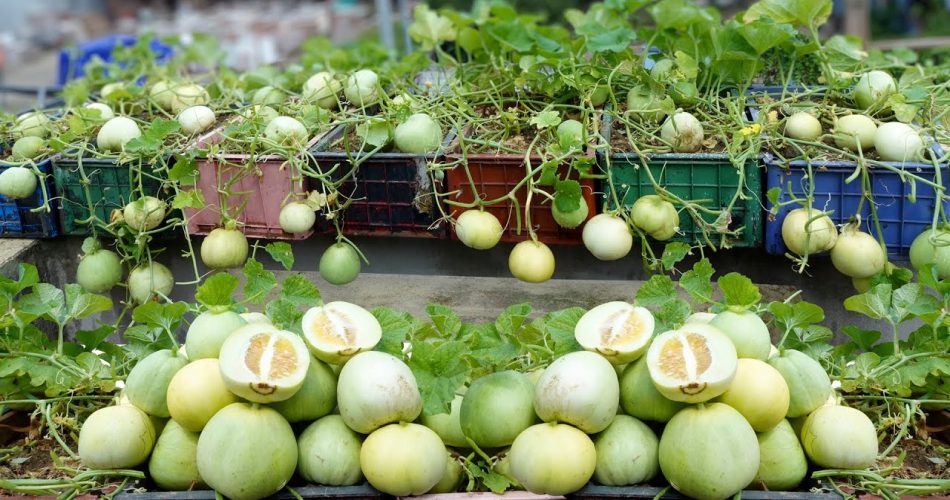
Growing melons without spending much money is certainly possible, and you can enjoy sweet and abundant fruits with a bit of resourcefulness. Here’s a guide on how to grow melons with minimal cost and a good harvest:
Materials Needed:
- Melon seeds (choose a variety suited for your climate)
- Compost or well-rotted manure
- Garden soil or well-draining soil
- Mulch (straw, leaves, or grass clippings)
- Sunlight
- Watering can or hose
- Supports (optional, for vertical gardening)
Steps:
1. Choose the Right Melon Variety:
- Select melon varieties that are well-suited for your climate. Common varieties include watermelons, cantaloupes, and honeydews.
2. Select a Sunny Location:
- Melons thrive in full sunlight. Choose a sunny location in your garden or yard where melon plants can receive at least 6-8 hours of direct sunlight daily.
3. Prepare the Soil:
- Melons prefer well-draining soil rich in organic matter. If possible, amend the soil with compost or well-rotted manure to improve fertility. This can be sourced from kitchen scraps or compost piles.
4. Planting Melon Seeds:
- Plant melon seeds directly in the soil or start them indoors in biodegradable pots made from recycled materials. Plant the seeds at the recommended depth and spacing for the chosen melon variety.
5. Mulching:
- Mulch around the base of the melon plants with materials like straw, leaves, or grass clippings. Mulching helps retain soil moisture, suppress weeds, and regulate soil temperature.
6. Watering:
- Water melon plants consistently, keeping the soil evenly moist. While melons need regular watering, avoid waterlogged conditions. Consider collecting rainwater in recycled containers for irrigation.
7. Vertical Gardening (Optional):
- Save money on garden space by practicing vertical gardening. Train melon vines to grow vertically using trellises, fences, or other supports. This can also help reduce the risk of soilborne diseases.
8. Pruning (Optional):
- Prune melon plants if necessary to control excessive growth and improve air circulation. Pruning can also direct energy toward fruit development.
9. Natural Pest Control:
- Implement natural pest control methods, such as companion planting or introducing beneficial insects, to minimize the use of pesticides. This can save money and promote a healthier garden ecosystem.
10. Harvesting: – Harvest melons when they reach maturity. Signs of ripeness vary depending on the melon type, so refer to the specific guidelines for your chosen variety. Harvesting at the right time ensures optimal sweetness.
11. Seed Saving (Optional): – Save seeds from mature, healthy melons for future planting. This can be a cost-effective way to source seeds for the next growing season.
12. Compost for Next Season: – Use kitchen scraps and garden waste to create compost for the next growing season. Composting is a sustainable way to improve soil fertility without spending money on commercial fertilizers.
Growing melons with little to no money involves maximizing the use of available resources, recycling materials, and adopting sustainable gardening practices. By being resourceful and taking advantage of natural processes, you can enjoy a fruitful melon harvest without a significant financial investment.


