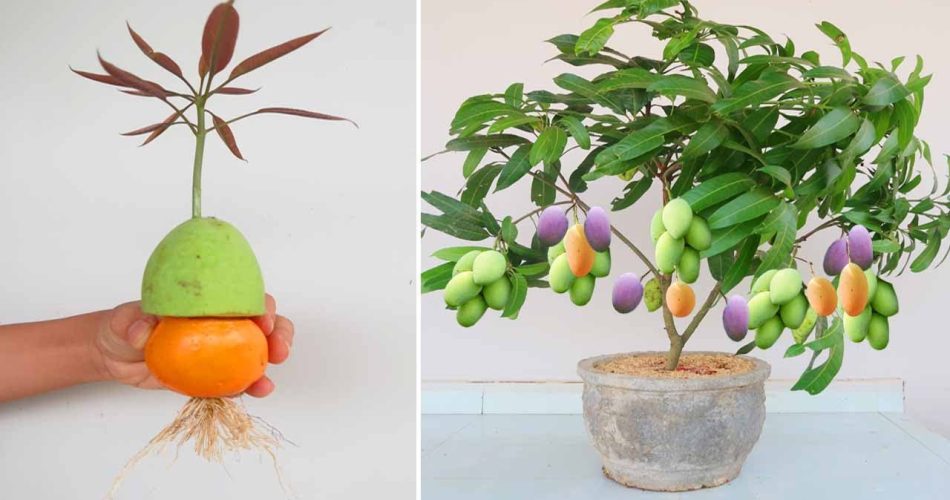
It seems there might be a misunderstanding in your question. Mangoes and oranges are two different fruit species, and mango trees do not naturally produce oranges or vice versa. Mangoes (Mangifera indica) belong to the Anacardiaceae family, while oranges (Citrus sinensis) are members of the Rutaceae family.
However, if you have a mango tree and notice an abundance of fruits on it, this can be influenced by several factors:
- Maturity and Age of the Tree:
- Mango trees usually start bearing fruit after a few years of growth. Young trees may not produce as much fruit as mature, well-established ones.
- Climatic Conditions:
- Mango trees thrive in tropical and subtropical climates. The right temperature, humidity, and sunlight can significantly impact the fruiting capacity of the tree.
- Proper Care and Pruning:
- Regular care, including proper pruning, watering, and fertilization, can enhance the productivity of a mango tree. Pruning helps maintain the tree’s shape and encourages the development of fruit-bearing branches.
- Pollination:
- Mango trees are generally self-pollinating, but having pollinators like bees around can increase fruit set. A healthy population of pollinators can positively impact fruit production.
- Variety of Mango:
- Different mango varieties have varying fruiting habits. Some varieties may naturally produce more fruit than others.
If you intended to inquire about oranges growing on a tree that was supposed to be a mango tree, it’s important to clarify the species of the tree. Mangoes and oranges grow on different types of trees, and cross-pollination between these species is not possible.
If you have a specific tree with both mangoes and oranges, it could be a result of grafting. In some cases, multiple fruit varieties can be grafted onto a single tree. If this is the case, the tree might produce both mangoes and oranges, but it’s not a natural occurrence. It’s essential to properly identify the tree and understand the grafting process if that’s the situation.


