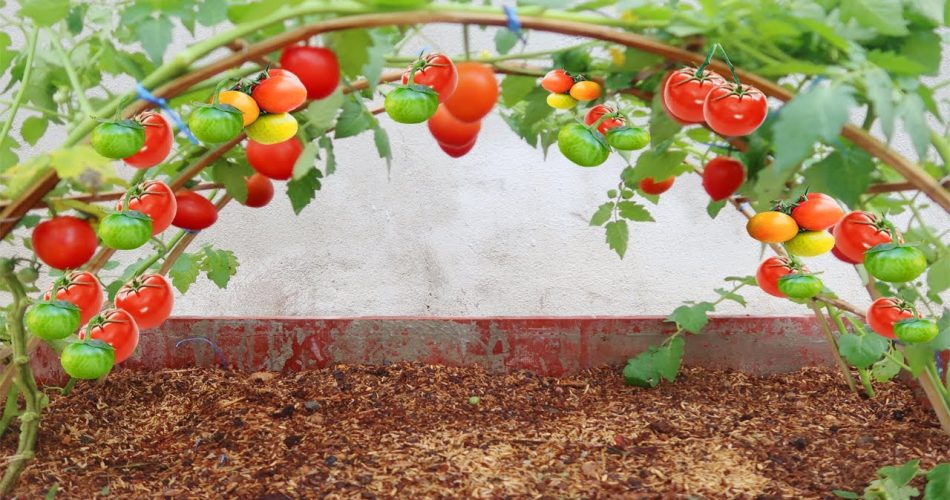
Growing tomatoes from seed can be a rewarding experience for beginners, and here’s a step-by-step guide to help you achieve a fast and fruitful harvest:
1. Choose the Right Tomato Seeds:
- Select tomato varieties that suit your preferences and growing conditions. Consider factors like size, flavor, and disease resistance.
2. Start Indoors:
- Tomatoes are often started indoors before the last frost date in your area. This gives them a head start and allows you to control growing conditions.
- Use seed-starting trays or small pots with a high-quality seed-starting mix.
3. Planting Seeds:
- Plant tomato seeds about 1/4 inch deep in the soil. Ensure good seed-to-soil contact.
- Keep the soil consistently moist but not waterlogged.
4. Provide Warmth and Light:
- Tomatoes require warmth for germination. Maintain a temperature between 70-80°F (21-27°C).
- Place the seed trays in a warm location or use a heat mat.
- Once the seeds germinate, provide ample light. A sunny windowsill or grow lights can be used.
5. Transplant Seedlings:
- When the seedlings have two sets of true leaves, transplant them into larger pots. Use a well-draining potting mix.
- Bury the seedlings deeper than they were in the seed tray to encourage a strong root system.
6. Harden Off Seedlings:
- About a week before transplanting outdoors, gradually expose the seedlings to outdoor conditions (hardening off). Start with a few hours of sunlight and gradually increase the time.
7. Choose a Sunny Location:
- Plant tomatoes in a location that receives at least 6-8 hours of direct sunlight each day.
8. Proper Spacing:
- Plant tomato seedlings in the garden with proper spacing to allow good air circulation and prevent diseases.
9. Provide Support:
- Tomato plants benefit from support structures like stakes or cages to keep them upright and prevent fruit from touching the ground.
10. Watering and Fertilizing:
- Keep the soil consistently moist but not waterlogged. Inconsistent watering can lead to issues like blossom end rot.
- Fertilize with a balanced fertilizer and follow the recommended application rates.
11. Pruning:
- While optional, some gardeners prune tomato plants to improve air circulation and focus energy on fruit production. Remove suckers (side shoots) as needed.
12. Mulching:
- Apply a layer of mulch around the base of the plants to conserve moisture, suppress weeds, and regulate soil temperature.
13. Pest and Disease Management:
- Keep an eye out for common tomato pests and diseases. Early detection and proper treatment are essential.
14. Harvesting:
- Harvest tomatoes when they are fully ripened on the vine. The flavor is often best when allowed to ripen on the plant.
By following these steps, you can grow tomatoes from seed and enjoy a bountiful harvest. Adjust the practices based on your specific growing conditions, and don’t hesitate to experiment with different varieties to find your favorites.
Show Comments


