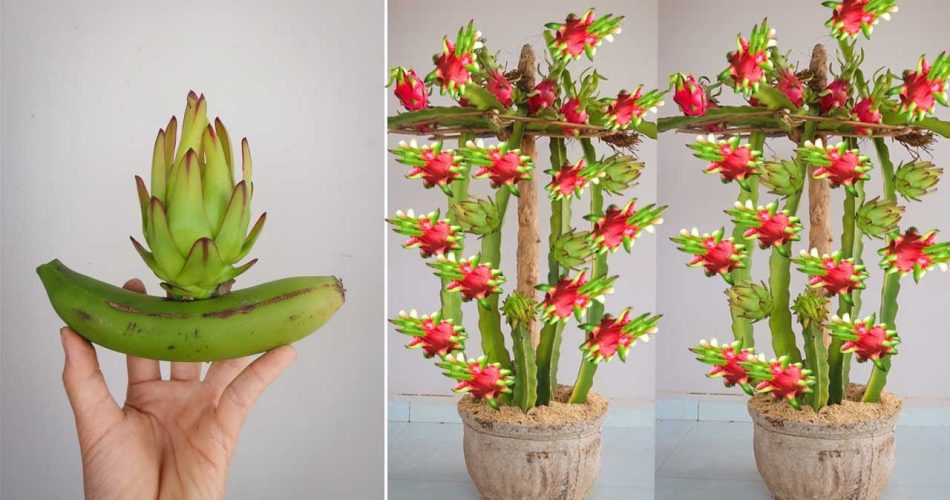
Growing red dragon fruit, also known as pitaya or pitahaya, is a fascinating and relatively straightforward process. Here’s a beginner-friendly guide on how to grow red dragon fruit using technology:
1. Obtain Dragon Fruit Cuttings:
- Acquire healthy cuttings from a mature red dragon fruit plant. Cuttings should be around 12-18 inches long and come from disease-free plants.
2. Prepare the Growing Medium:
- Use a well-draining, cactus or succulent mix for planting. You can enhance the mix with organic matter or perlite to improve aeration.
3. Rooting Hormone (Optional):
- Dip the cut end of the dragon fruit cutting in rooting hormone (optional) to encourage root development.
4. Planting the Cuttings:
- Plant the cuttings in containers or directly in the ground. Ensure the cuttings are planted vertically with at least one segment buried in the soil.
5. Support Structure:
- Install a trellis or support structure for the dragon fruit to climb as it grows. This helps in preventing damage to the plant and makes harvesting easier.
6. Light and Temperature:
- Dragon fruit plants thrive in full sunlight. Ensure they receive at least 6-8 hours of direct sunlight daily.
- Maintain a warm temperature range, as dragon fruit plants are sensitive to frost.
7. Watering:
- Keep the soil consistently moist but not waterlogged. Dragon fruit plants prefer regular watering, especially during the growing season.
8. Fertilization:
- Use a balanced fertilizer with a higher phosphorus content to promote flowering and fruiting. Fertilize every 4-6 weeks during the growing season.
9. Pruning:
- Prune the plant to encourage branching and remove any damaged or diseased segments. This also helps in shaping the plant and controlling its size.
10. Pollination:
- Dragon fruit flowers typically require cross-pollination to set fruit. If growing in an area with limited pollinators, consider hand-pollination using a small brush.
11. Protect from Pests:
- Keep an eye out for pests such as scale insects and spider mites. Use insecticidal soap or neem oil for organic pest control.
12. Harvesting:
- Red dragon fruit is ready for harvest when the fruit color changes and the scales on the skin are well-developed. Gently twist the fruit to detach it from the plant.
13. Technology Applications:
- Consider using smart irrigation systems and sensors to monitor soil moisture levels and automate watering.
- Use weather apps or devices to monitor temperature and weather conditions, especially in regions prone to frost.
Growing red dragon fruit can be a rewarding experience, and incorporating technology can enhance the efficiency of your cultivation process. Adjust the techniques based on your specific climate and growing conditions.
Show Comments


