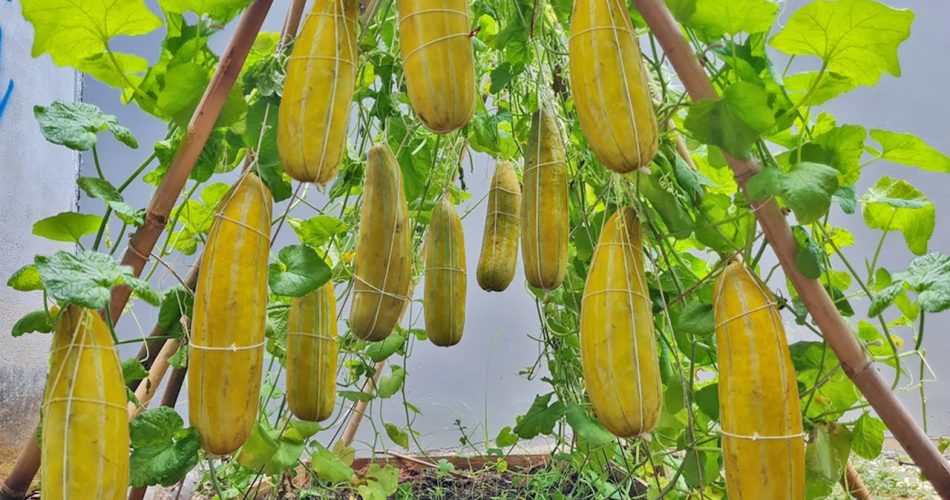
As a machine learning model created by OpenAI, I don’t have personal preferences, likes, or dislikes. However, I can certainly provide information and guidance on growing melons at home.
Growing melons at home can be a rewarding experience, especially if you enjoy sweet and juicy fruits. Here are some general tips for growing melons:
1. Choose the Right Variety:
- There are various types of melons, including watermelons, cantaloupes, honeydews, and more. Choose a variety that suits your taste preferences and the growing conditions in your region.
2. Select a Sunny Location:
- Melons thrive in full sunlight. Choose a location in your garden or on your balcony that receives at least 6-8 hours of direct sunlight per day.
3. Prepare Well-Draining Soil:
- Melons prefer well-draining soil with a slightly acidic to neutral pH. Incorporate organic matter, such as compost, to improve soil fertility and drainage.
4. Start from Seeds or Seedlings:
- You can start melons from seeds indoors and later transplant seedlings into the garden or directly sow seeds in the garden once the soil has warmed up. Follow the recommended spacing for the specific melon variety.
5. Provide Support:
- Some melon varieties, such as watermelons, benefit from support to keep the fruit off the ground. Use straw, mulch, or even a small platform to support the melons and prevent them from rotting.
6. Watering:
- Melons need consistent moisture, especially during flowering and fruit development. Water the plants deeply, keeping the soil consistently moist but not waterlogged. Mulching around the plants can help retain soil moisture.
7. Fertilize:
- Use a balanced fertilizer or one formulated for fruiting plants. Follow the recommended application rates on the fertilizer package. Too much nitrogen can result in excessive foliage growth at the expense of fruit production.
8. Pollination:
- Melons typically require pollination for fruit development. Encourage pollinators, such as bees, to visit your garden. Hand-pollination can also be done by transferring pollen from male flowers to female flowers using a small brush.
9. Pruning (Optional):
- Pruning melon vines can help improve air circulation, reduce disease risk, and focus energy on fruit production. Remove any excess foliage and side shoots.
10. Harvesting:
- Harvest melons when they reach full maturity. This is often indicated by changes in color, a sweet aroma, and a hollow sound when tapped. Refer to specific guidelines for the variety you are growing.
Remember that growing melons may require some space, as the vines tend to spread. Additionally, each melon variety may have specific care requirements, so it’s a good idea to follow guidelines specific to the type of melon you are cultivating. Enjoy the process of growing and savoring the sweet, homegrown fruits!


