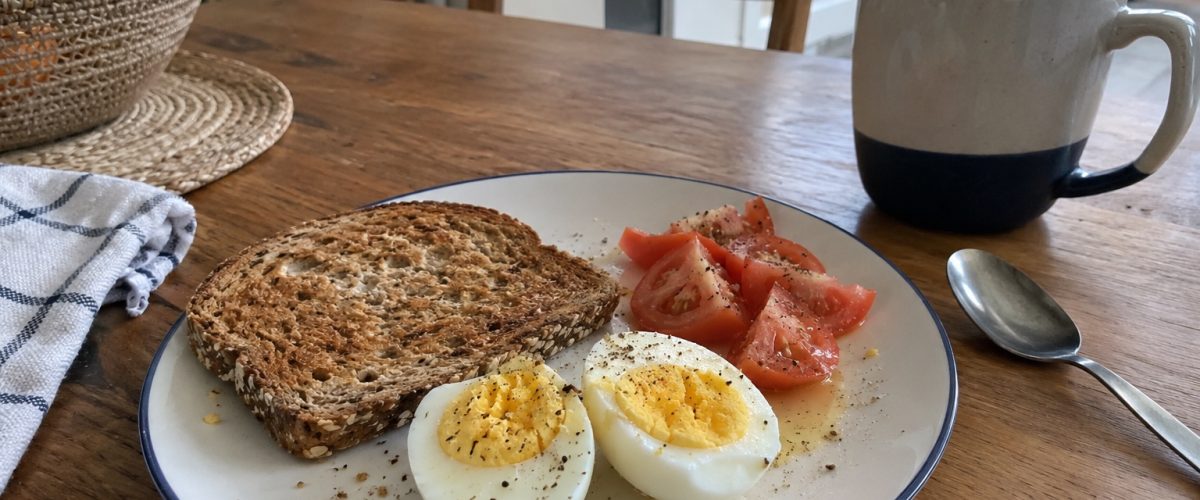
One egg can make a plain breakfast feel more complete without turning the morning into a complicated cooking project. It adds protein, works with many familiar foods, and can be prepared with basic kitchen equipment. The useful habit is choosing a meal you enjoy and can repeat, not searching for a secret technique that supposedly unlocks instant strength or mental power.
An egg is a nutritious food, but it is not the world’s second-most-powerful ingredient, and one serving cannot immediately build muscle or protect the brain from every problem. Keep the benefits in proportion: it can be one convenient part of a varied eating pattern.
Decide what the egg is joining
Think about the whole plate before choosing the cooking method. An egg with whole-grain toast and vegetables is a different meal from an egg served alone while you rush out the door. You can also add it to a lunch bowl, a sandwich, or leftover cooked vegetables.
Choose combinations that fit your appetite, preferences, and any dietary advice you have received. There is no requirement to eat an egg every day. Beans, lentils, tofu, dairy foods, fish, and other protein choices can provide variety across the week.
Start with safe handling
Use eggs stored according to local food-safety and packaging guidance, and avoid cracked or obviously damaged ones. Wash hands, utensils, and preparation surfaces after contact with raw egg. Keep raw egg away from food that will be eaten without further cooking.
For a straightforward fully cooked serving, cook until both the white and yolk are firm. Raw or undercooked eggs can carry foodborne illness risk, especially for people who are more vulnerable. If a recipe calls for uncooked egg, use an appropriate pasteurized product rather than assuming the shell’s appearance proves safety.
A simple fully cooked breakfast
Place an egg in a small saucepan and add enough water to cover it. Bring the water to a controlled boil, then use a reliable hard-cooking method suited to your egg size and stove. Cooking time varies, so the goal is a firm white and yolk rather than a promise that one number suits every kitchen.
Handle the hot pan carefully and cool the egg before peeling. If it will not be eaten promptly, refrigerate it according to food-safety guidance. Do not leave cooked eggs sitting on the counter for a long breakfast gathering or pack them warm into an unrefrigerated bag.
Serve with toast and sliced tomato or another vegetable you enjoy. Season lightly to taste. The recipe does not need a special salt, supplement powder, or large amount of fat to make the egg worthwhile.
Use the same ingredient in different meals
- Slice a fully cooked egg over a bowl of vegetables and cooked grains.
- Chop it into a sandwich filling with ingredients you already like.
- Make a small fully cooked scramble in a suitable pan with a little cooking oil.
- Add a cooked egg to a simple plate of leftovers, reheating the other food safely.
These are meal ideas, not a rigid daily schedule. Keeping several easy options available can prevent boredom and reduce the temptation to skip food because the “correct” version is inconvenient. Ordinary cooking does not erase all nutritional value.
Make protein part of a wider pattern
Your body’s needs are not met by one ingredient alone. Meals also provide energy, fiber, fats, vitamins, and minerals from different foods. Pairing an egg with a range of other ingredients is more useful than treating it as a replacement for vegetables, grains, or every other protein source.
Muscle maintenance and development involve adequate nutrition over time, physical activity, recovery, and individual health. An egg can contribute to food intake, but it does not produce an instant visible change. Similarly, feeling more alert after breakfast does not prove one ingredient has directly improved brain function.
Adjust for the person eating it
Avoid eggs if you have an egg allergy, and check ingredient labels in prepared foods. If a clinician has given you a specific dietary plan, fit egg servings into that plan rather than replacing it with a universal daily rule. Individual needs and preferences vary.
For a child, prepare a texture and portion suitable for their stage of eating and supervise meals as appropriate. Keep hot pans and boiling water out of reach. The convenience of an egg should not make food preparation rushed or careless.
Keep the routine affordable and useful
Plan a few meals that share ingredients so half-used vegetables and bread do not go to waste. Store cooked food promptly and label leftovers when helpful. A simple breakfast becomes easier when the plate, pan, and ingredients are ready without a long search through the cupboard.
Does this really work?
An egg can add protein and useful nutrients to a meal, making it a practical option when it suits your diet. It does not instantly strengthen muscles, guarantee brain protection, or require a hidden preparation technique. Cook and store it safely, pair it with varied foods, and choose a frequency that fits your overall eating pattern rather than relying on dramatic claims about a single ingredient.


