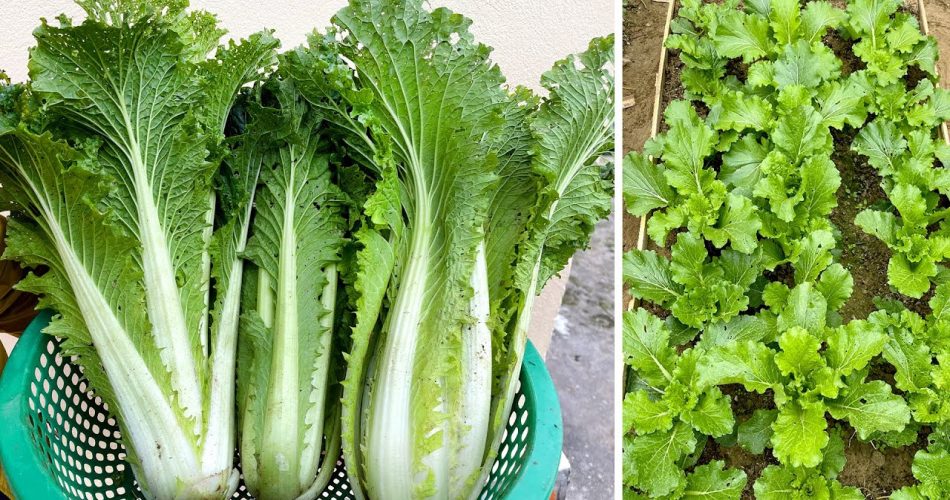
Transforming your backyard into a flourishing vegetable garden is not only rewarding but also surprisingly simple. With a few basic supplies, a bit of know-how, and a touch of patience, you can enjoy a bountiful harvest of fresh and flavorful vegetables right outside your door. Here are some easy tips to get you started on your journey to growing your own backyard bounty:

  1. Select the Right Location: Choose a sunny spot in your backyard that receives at least 6-8 hours of sunlight each day. Most vegetables thrive in full sun, so avoid areas shaded by trees or buildings. Ensure the location is easily accessible for watering, weeding, and harvesting.

  2. Plan Your Layout: Before planting, sketch out a simple layout for your vegetable garden, taking into account the size and spacing requirements of each plant. Consider grouping vegetables with similar water and sunlight needs together to optimize growing conditions and make maintenance easier.

  3. Start with Easy-to-Grow Vegetables: For beginner gardeners, it’s best to start with vegetables that are low-maintenance and relatively foolproof to grow. Some great options include tomatoes, peppers, cucumbers, zucchini, lettuce, spinach, and radishes. These vegetables are forgiving of common gardening mistakes and typically produce abundant yields.

  4. Prepare the Soil: Healthy soil is the foundation of a successful vegetable garden. Before planting, amend your soil with compost or aged manure to improve its texture and fertility. Work the amendments into the soil to a depth of 6-8 inches using a garden fork or tiller.

  5. Plant at the Right Time: Pay attention to planting times for each vegetable variety, as they may vary based on your local climate and growing season. In general, warm-season crops like tomatoes and peppers should be planted after the last frost date, while cool-season crops like lettuce and spinach can be planted earlier in the spring or in the fall.

  6. Provide Adequate Water: Proper watering is essential for healthy vegetable growth. Water your garden deeply and consistently, aiming to keep the soil evenly moist but not waterlogged. Use a soaker hose or drip irrigation system to deliver water directly to the base of the plants and minimize water waste.

  7. Mulch and Weed Regularly: Apply a layer of organic mulch, such as straw or shredded leaves, around your vegetable plants to help retain moisture, suppress weeds, and regulate soil temperature. Additionally, keep your garden free of weeds by pulling them regularly to prevent competition for nutrients and water.

  8. Monitor for Pests and Diseases: Keep an eye out for common garden pests and diseases that may affect your vegetables, such as aphids, caterpillars, and fungal infections. Inspect your plants regularly and take proactive measures to control pests, such as handpicking or using organic pest control methods.

  9. Harvest Frequently: As your vegetables mature, harvest them promptly to encourage continued production and prevent overripening. Use a sharp pair of scissors or garden shears to harvest fruits and vegetables, and enjoy the fresh flavors of your homegrown bounty in your favorite recipes.

With these easy tips, you’ll be well on your way to creating a great backyard vegetable garden that provides you with an abundance of fresh and delicious produce all season long. So roll up your sleeves, dig in the dirt, and get ready to reap the rewards of your own homegrown harvest!


