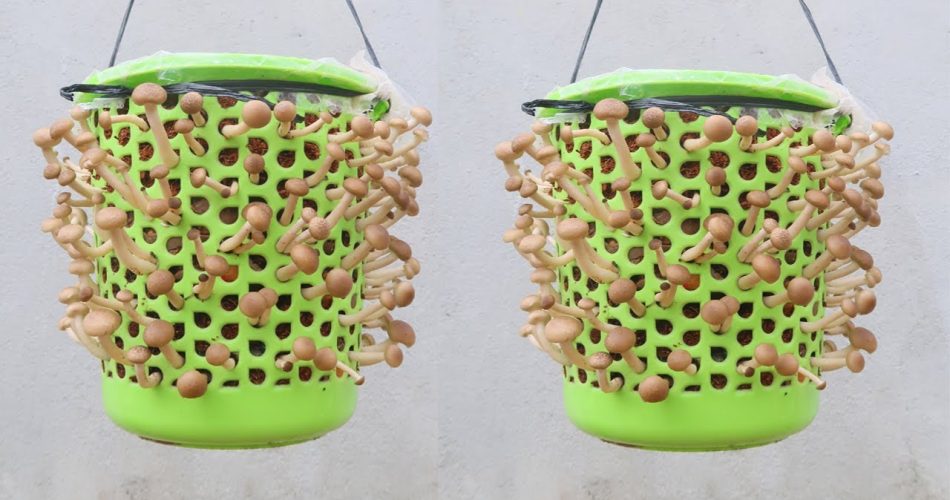
Growing mushrooms from store-bought mushrooms is an interesting and sustainable way to start your own mushroom cultivation. While it might not work with all types of mushrooms, it often works well with varieties that produce spores or have intact mycelium. Here’s a basic guide for growing mushrooms from store-bought ones:
Materials Needed:
- Store-Bought Mushrooms:
- Choose fresh, organic mushrooms. Varieties like oyster mushrooms, shiitake, or portobello tend to work well.
- Substrate:
- This is the material on which the mushrooms will grow. Popular choices include a mix of vermiculite and brown rice flour or a pre-made substrate bag.
- Container or Growing Bag:
- You can use a plastic container or a mushroom-growing bag.
- Spray Bottle:
- For misting water.
- Plastic Wrap or Lid:
- To cover the container or bag during the colonization phase.
- Perlite (optional):
- For maintaining humidity.
Steps:
- Selecting Mushrooms:
- Choose mushrooms with intact caps and stems. It’s better if they have some white mycelium at the base.
- Removing the Cap:
- Twist off the cap of the mushrooms. This is where the spores are located.
- Spore Print (Optional):
- If the mushrooms have a gill structure, you can make a spore print by placing the cap, gills down, on a piece of paper or foil for a few hours.
- Preparing Substrate:
- If you’re using a substrate mix, follow the instructions to prepare it. If you’re making your own, mix vermiculite and brown rice flour with water until it reaches a consistency like wet sand.
- Inoculation:
- Sterilize your substrate and the container or bag. Place a layer of substrate in the container, then sprinkle the spores or mycelium from the store-bought mushrooms. Add another layer of substrate and repeat until the container is filled.
- Covering and Sealing:
- Cover the container with plastic wrap or a lid to maintain a high level of humidity during the colonization phase.
- Incubation:
- Place the container in a warm, dark place for the mycelium to colonize the substrate. This can take a few weeks.
- Fruiting Conditions:
- Once the substrate is fully colonized, expose the container to fresh air and provide indirect light. Mist the substrate regularly to maintain humidity.
- Harvesting:
- When the mushrooms are fully grown, usually with caps fully opened, harvest them by twisting or cutting them at the base.
Tips:
- Sterility:
- Keep your workspace and tools as sterile as possible to prevent contamination.
- Humidity:
- Mushrooms need high humidity during the initial stages. Consider misting the substrate and, if necessary, placing a layer of perlite at the bottom of the container.
- Patience:
- Mushroom cultivation takes time. Be patient, especially during the colonization phase.
- Research the Mushroom Variety:
- Different mushrooms have slightly different cultivation requirements. Research the specific needs of the mushroom variety you’re growing.
Growing mushrooms from store-bought specimens can be a fun and educational project. While it might not be as straightforward as growing some other plants, the process is fascinating, and the results can be rewarding.
Show Comments


