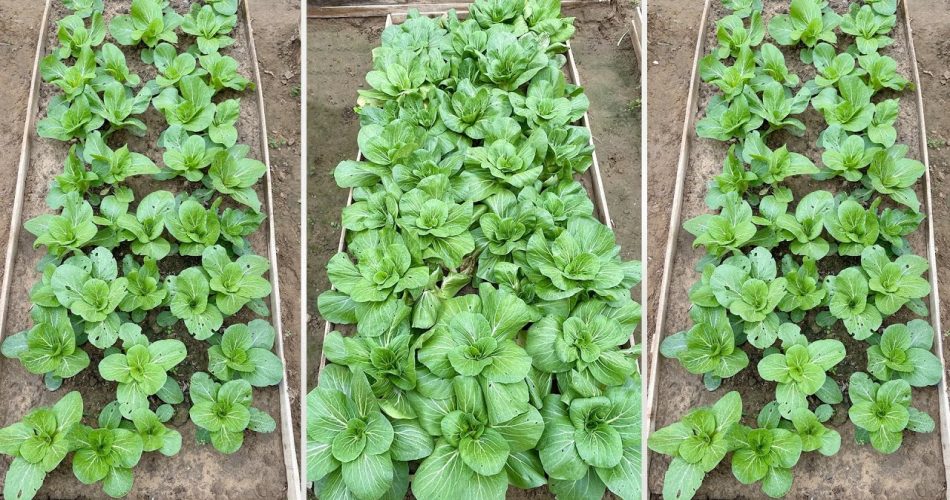
Are you tired of constantly buying fresh vegetables from the store? Imagine having a steady supply of delicious, homegrown produce right at your fingertips. With the right knowledge and a little effort, you can grow your own vegetables and say goodbye to grocery store trips for good.
One vegetable that’s easy to grow and incredibly rewarding is lettuce. Whether you’re a gardening novice or an experienced green thumb, lettuce is a versatile and forgiving crop that thrives in various climates and growing conditions. Here’s how to grow your own lettuce and enjoy a constant supply of fresh greens:
- Choose the Right Variety: Lettuce comes in many shapes, sizes, and colors, so choose a variety that suits your taste preferences and growing environment. Popular varieties include leaf lettuce, romaine, and butterhead. Consider factors such as flavor, texture, and heat tolerance when selecting your lettuce seeds or seedlings.
- Find the Perfect Spot: Lettuce prefers cool temperatures and partial shade, making it an ideal crop for spring and fall gardens. Choose a location in your garden that receives morning sun and afternoon shade, or plant lettuce in containers that can be moved to a shadier spot during hot weather.
- Prepare the Soil: Lettuce grows best in loose, well-drained soil rich in organic matter. Before planting, amend your soil with compost or aged manure to improve fertility and soil structure. Ensure the soil is evenly moist but not waterlogged, as soggy conditions can lead to root rot and other problems.
- Planting and Spacing: Sow lettuce seeds directly into the garden or containers, spacing them 6-8 inches apart in rows spaced 12-18 inches apart. If transplanting seedlings, space them according to the recommendations on the plant tag. Cover the seeds lightly with soil and water gently to settle them in.
- Water Regularly: Keep your lettuce plants consistently moist by watering them regularly, especially during dry spells. Avoid overhead watering, as wet foliage can lead to fungal diseases. Instead, water at the base of the plants early in the morning to allow the leaves to dry before evening.
- Fertilize Sparingly: Lettuce doesn’t require much fertilizer to thrive, especially if you’ve amended your soil with compost. A light application of a balanced fertilizer or organic fish emulsion every 4-6 weeks should provide all the nutrients your lettuce plants need to grow healthy and strong.
- Harvesting: Harvest lettuce leaves when they reach the desired size, typically 4-6 inches long for leaf lettuce and 6-8 inches long for romaine and butterhead varieties. Use a sharp knife or scissors to cut the leaves just above the soil line, allowing the remaining leaves to continue growing for future harvests.
By following these simple steps, you can grow your own lettuce and enjoy a constant supply of fresh greens year-round. Say goodbye to store-bought vegetables and hello to the satisfaction of growing your own food right at home!


