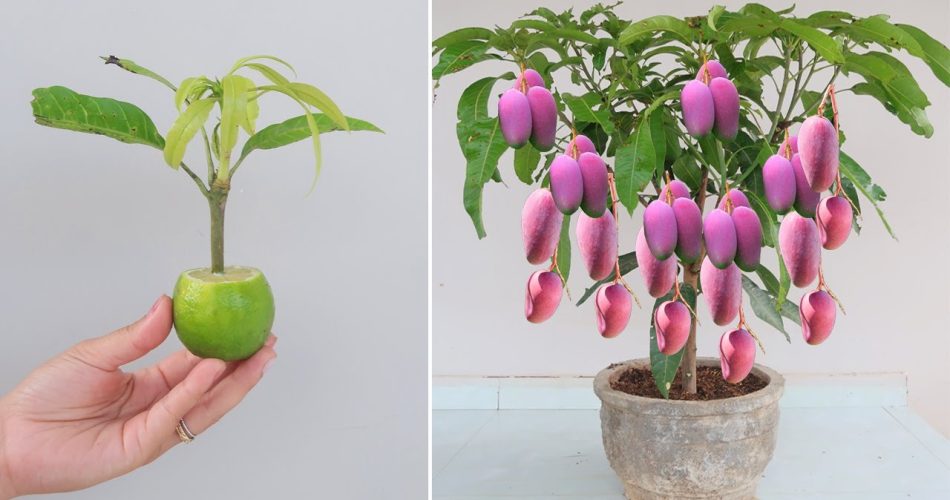
Growing mangoes at home can be a rewarding experience, but it’s important to note that mango trees are tropical and subtropical plants, and successful fruiting may depend on your climate. If you live in an area with a suitable climate, here are some simple tips to grow mangoes at home and encourage a bountiful harvest:
- Climate and Location:
- Mango trees thrive in tropical and subtropical climates. They need plenty of sunlight to produce fruit, so choose a sunny location for planting.
- If you live in a cooler climate, consider growing dwarf or container varieties that can be moved indoors during colder months.
- Variety Selection:
- Choose a mango variety that is well-suited to your climate. Some varieties are more cold-tolerant, while others are better for warmer regions.
- Soil Preparation:
- Mango trees prefer well-draining soil with a slightly acidic to neutral pH. Amend the soil with organic matter like compost to improve fertility and drainage.
- Planting Mango Trees:
- Plant mango trees in the spring when the weather is warm. Choose a location with enough space for the tree to grow, as mango trees can become quite large.
- Dig a hole larger than the root ball and plant the tree at the same depth it was in the nursery container.
- Watering:
- Provide consistent watering, especially during the tree’s establishment period. Once established, mango trees are somewhat drought-tolerant, but regular watering is still essential for fruit production.
- Fertilization:
- Mango trees benefit from regular fertilization. Use a balanced fertilizer, and follow the recommended application rates. Fertilize during the growing season, reducing or stopping in the winter months.
- Pruning:
- Prune the mango tree to shape it and encourage a strong structure. Remove dead or diseased branches, and thin out crowded growth to improve air circulation.
- Mulching:
- Apply a layer of mulch around the base of the tree to conserve soil moisture, suppress weeds, and regulate soil temperature.
- Protection from Frost:
- If you live in an area with occasional frost, protect young mango trees from frost damage by covering them with frost cloth or bringing them indoors during cold spells.
- Pest and Disease Management:
- Keep an eye out for pests such as aphids, scales, and mites. Treat pest issues promptly with insecticidal soap or neem oil.
- Monitor for signs of fungal diseases and apply appropriate fungicides preventatively or as needed.
- Thinning Fruit:
- If your mango tree sets a heavy crop, consider thinning the fruit to allow the remaining fruit to develop properly. This helps prevent branches from breaking under the weight of too many mangoes.
- Harvesting:
- Mangoes typically mature and are ready for harvest in the late spring to summer, depending on the variety. Harvest when the fruit has developed its characteristic color and aroma.
Growing mangoes at home requires patience, as these trees can take several years to start producing fruit. With the right care and suitable climate, you can enjoy the delicious and tropical taste of homegrown mangoes.
Show Comments


