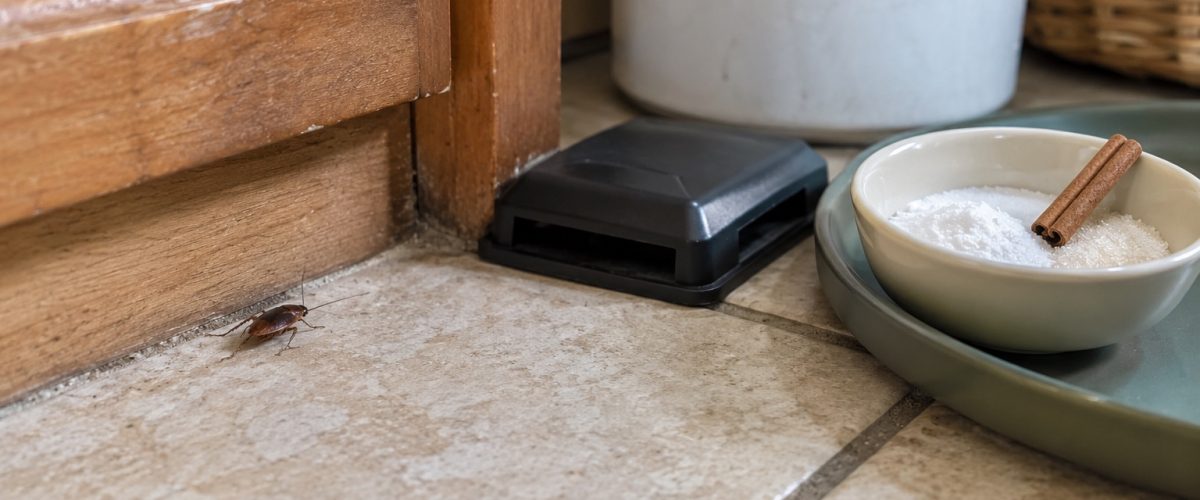
The small gap beside a kitchen cabinet can matter more than the strongest smell in a homemade bait. Pests return when food, water, shelter, and access remain available. Start with those conditions, then use monitoring and appropriate control products to target confirmed activity. A tidy plan is easier to maintain than several sticky mixtures scattered around the room.
Sugar, baking soda, dish soap, and a cinnamon stick do not create a proven treatment that removes rats and cockroaches for good. Putting the mixture on a counter also introduces an avoidable spill near food preparation. Keep edible supplies, cleaning products, and pest-control products clearly separate.
Do a kitchen walk-through
Begin at the doorway and work around the room in one direction. Look at floor edges, cupboard corners, the bin, and the area beneath the sink. Note the places where you have actually seen insects or signs of rodents rather than assuming every dark space is equally active.
Use a flashlight for accessible gaps and take photographs if identification is uncertain. Do not place your hand where you cannot see it. Avoid moving appliances that are heavy or connected to gas, water, or fixed electrical services without appropriate help.
Remove forgotten food sources
Check beneath the toaster after it is safely unplugged, around the microwave, and under removable counter accessories. Wipe syrup from bottle threads and clean the tray beneath cooking oils. A surface can look neat while a small sticky patch remains attractive to insects.
Store opened packets in suitable closed containers and dispose of contaminated food. Inspect the pet-feeding area and clean spilled food promptly. Keep the rubbish bin closed, wash residue from its rim, and remove food waste regularly.
Keep the homemade mixture out of the plan
Dish soap is intended for its labeled cleaning uses, not as an ingredient in food bait left around a household. Cinnamon fragrance does not establish reliable control, and baking soda does not turn sugar into a tested pest product. More ingredients can make the setup harder to clean without improving the outcome.
Remove any old homemade bait before starting a new monitoring routine. Wear appropriate gloves for the cleanup and keep children and pets away from spills. Do not transfer a cleaning mixture into a food container that someone might later reuse for eating.
Make a numbered monitoring map
For suspected cockroaches, choose monitoring traps intended for the indoor setting. Follow the package directions for placement, keeping them dry and inaccessible to children and pets. Label each trap number on a simple room sketch rather than writing on a place you cannot easily clean.
Check the monitors as directed and record what you find. A trap beside a cabinet that repeatedly catches insects gives you a more useful lead than one isolated sighting in the middle of the floor. Empty monitors do not guarantee the absence of pests, so consider the whole pattern.
Match control to the pest
A cockroach bait station is not a rat trap, and a rodent product should not be treated as a general kitchen insecticide. Identify the pest and select a product labeled for it. Read the restrictions around food-contact surfaces, occupied rooms, children, and animals before placement.
Keep the original packaging and record what you use. Do not add homemade ingredients to a commercial product or apply another chemical on top of it. If a product seems ineffective, reassess identification, placement, competing food, and the need for professional help rather than simply increasing the amount.
Treat rodent signs with extra care
If you find gnawed packets or rodent droppings, protect food and arrange a rodent-specific response. Do not dry-sweep or vacuum droppings. Use established public-health cleanup guidance, and obtain professional help for heavy contamination or inaccessible areas.
Suitable traps require correct placement and regular checking. Poison products need particular care to prevent access by children, pets, and wildlife. Never make an improvised poisoned food mixture or place loose bait where it can be carried onto kitchen surfaces.
Close the route and maintain the result
- Repair leaks and dry recurring wet areas beneath the sink.
- Seal appropriate gaps around pipes and damaged trim without obstructing ventilation or services.
- Reduce unnecessary cardboard and clutter.
- Keep food containers closed and wipe spills promptly.
- Continue monitoring after visible activity decreases.
In shared housing, report persistent activity and building defects to the responsible manager. A kitchen may be part of a wider route through walls or service areas. Coordinated work can address causes that one household cannot reach.
Review the room map periodically and remove or replace devices according to their instructions. A forgotten empty trap or dried-out mixture is not ongoing protection. Keep the setup simple enough that every item has a clear purpose and a known location.
Does this really work?
Food control, moisture reduction, repairs, monitoring, and suitable pest-specific products can make a kitchen less hospitable and help manage an infestation. Sugar, baking soda, soap, and cinnamon do not provide a dependable permanent solution for rats or cockroaches. The useful result comes from a sustained plan with measurable progress, not the strength of a smell or the number of ingredients in a homemade bait.


