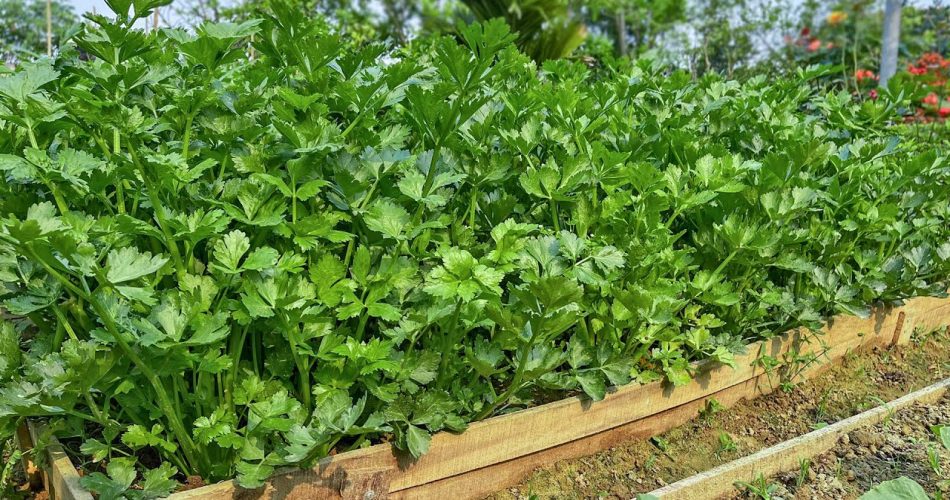
Are you a beginner gardener eager to grow your own celery but unsure where to start? You’re in luck! With the latest solution in celery cultivation, even novice gardeners can enjoy a successful harvest of this versatile and nutritious vegetable. Here’s everything you need to know to grow celery effectively at home:
- Start with Quality Seeds or Seedlings: To kickstart your celery growing journey, begin with high-quality celery seeds or seedlings from a reputable source. Opt for disease-resistant varieties suited to your climate and growing conditions for the best results.
- Choose the Right Growing Conditions: Celery thrives in cool, moist environments with plenty of sunlight. Select a planting site that receives partial sun to full sun and has well-drained, fertile soil. If you’re growing celery in containers, ensure they have ample drainage holes and use a nutrient-rich potting mix.
- Planting and Spacing: Plant celery seeds or seedlings in rows spaced approximately 12 to 18 inches apart. If planting in rows, space individual celery plants 6 to 10 inches apart within the row. Ensure that the soil is evenly moist but not waterlogged to promote germination and healthy growth.
- Provide Adequate Watering: Celery has shallow roots and requires consistent moisture throughout the growing season. Water your celery plants regularly, aiming to keep the soil consistently moist but not soggy. Mulching around the base of the plants can help retain soil moisture and suppress weeds.
- Fertilize Appropriately: Celery is a heavy feeder and benefits from regular fertilization to support vigorous growth and development. Apply a balanced fertilizer or compost tea every 3 to 4 weeks during the growing season to provide essential nutrients.
- Hilling and Blanching: As your celery plants grow, mound soil or mulch around the base of the stalks to blanch them and encourage tender, pale stems. Blanching helps improve the flavor and texture of celery and can be done gradually as the plants mature.
- Pest and Disease Management: Keep an eye out for common celery pests such as aphids, celery leaf miners, and slugs, and take prompt action to control infestations using organic methods like hand-picking or insecticidal soap. Additionally, practice good garden hygiene and crop rotation to prevent the spread of diseases.
- Harvesting: Harvest celery stalks when they reach the desired size, typically 12 to 18 inches in length. Use a sharp knife to cut the stalks at the base of the plant, taking care not to damage neighboring stems. Enjoy your freshly harvested celery raw in salads, soups, or as a crunchy snack!
With these easy-to-follow tips and the latest solution in celery cultivation, you’ll be well on your way to growing your own delicious and nutritious celery at home. Happy gardening!
Show Comments


