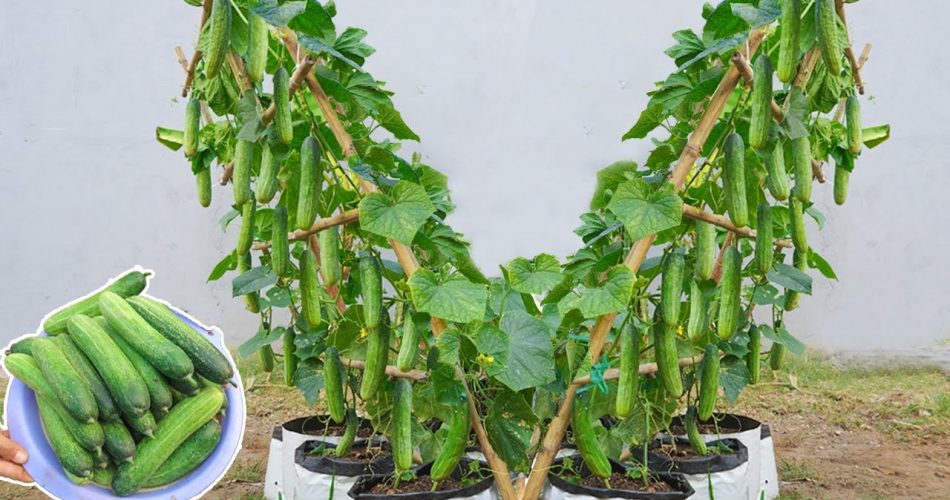
Certainly! Growing high-yielding cucumbers at home can be a rewarding experience. Here are some tips to help you achieve a bountiful cucumber harvest:
- Choose the Right Variety:
- Select cucumber varieties that are known for high yields. Some popular choices include slicing cucumbers like “Marketmore” or “Straight Eight” and pickling varieties like “Bush Pickle.”
- Start with Quality Seeds:
- Use fresh, high-quality cucumber seeds from a reputable source. This ensures better germination rates and healthy seedlings.
- Proper Soil Preparation:
- Cucumbers prefer well-draining soil with a slightly acidic to neutral pH (around 6.0-7.0). Mix in organic matter such as compost to enhance soil fertility.
- Sunlight Requirements:
- Plant cucumbers in a location that receives full sunlight for at least 6-8 hours a day. Adequate sunlight promotes healthy growth and higher yields.
- Support for Vertical Growth:
- Cucumbers can be grown vertically to save space and increase yields. Provide trellises, stakes, or cages to support the vines as they climb.
- Spacing:
- Space cucumber plants according to the recommendations for the specific variety. Proper spacing ensures good air circulation and reduces the risk of diseases.
- Consistent Watering:
- Keep the soil consistently moist. Cucumbers need regular watering, especially during hot weather and when they are flowering and fruiting. Inconsistent watering can lead to bitter-tasting fruit and irregular growth.
- Mulching:
- Apply a layer of organic mulch, such as straw or shredded leaves, around the cucumber plants. Mulch helps retain soil moisture, suppress weeds, and regulate soil temperature.
- Feeding:
- Fertilize the plants regularly with a balanced, water-soluble fertilizer. Follow the recommended dosage on the fertilizer package. Additionally, side-dress with compost or well-rotted manure during the growing season.
- Pruning:
- Prune or pinch off excess lateral shoots to encourage the development of main vines and improve air circulation. This can help prevent diseases and redirect energy towards fruit production.
- Pest and Disease Management:
- Keep a close eye on pests like cucumber beetles and diseases like powdery mildew. Use organic or chemical controls as needed. Neem oil and insecticidal soap are common options for managing pests.
- Harvesting:
- Harvest cucumbers regularly when they reach the desired size. Regular harvesting encourages continuous fruit production. Pick cucumbers when they are young and firm for the best taste and texture.
- Successive Planting:
- Extend the harvest season by planting cucumbers in succession. This involves planting new seeds or seedlings every few weeks, ensuring a continuous supply of fresh cucumbers.
- Proper Storage:
- Store harvested cucumbers in a cool place or the refrigerator to maintain freshness. Use them promptly for the best flavor and texture.
By following these tips, you can enhance the health and productivity of your cucumber plants, leading to a more abundant harvest. Pay attention to the specific needs of the cucumber variety you choose and adjust your care accordingly.
Show Comments


