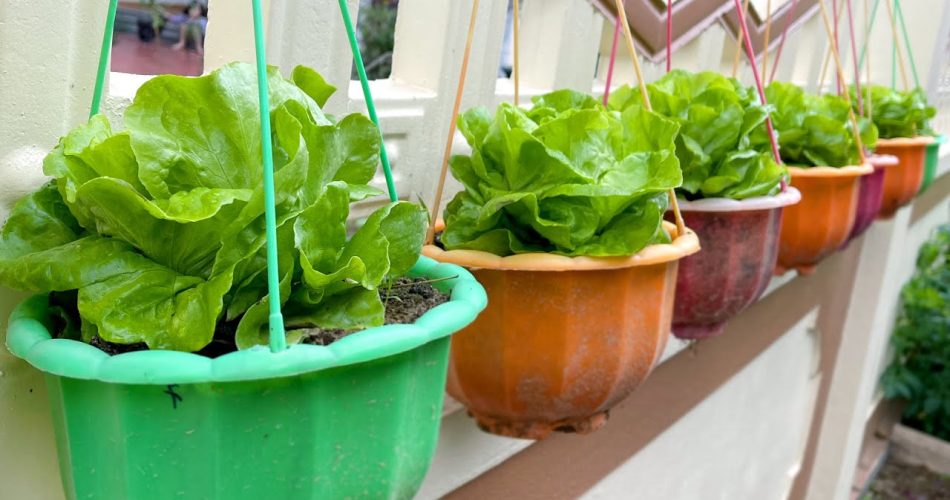
Are you looking for a creative way to utilize your fence space while adding beauty to your landscape? Why not consider growing lettuce right on your fence? Not only will it enhance the aesthetic appeal of your yard, but you’ll also have access to fresh, homegrown lettuce for your salads and sandwiches. Here’s how you can get started:
- Choose the Right Variety: Select a variety of lettuce that is well-suited for vertical gardening and doesn’t require a lot of space. Loose-leaf lettuces like Butterhead or Romaine are excellent choices for fence gardening.
- Prepare Your Fence: Before planting, ensure your fence receives adequate sunlight throughout the day. Clear any debris or obstructions from the area where you plan to grow your lettuce. If necessary, install trellises or vertical gardening systems to support the plants.
- Planting Your Lettuce: Begin by sowing lettuce seeds or transplanting seedlings along the base of your fence. Space the plants according to the instructions on the seed packet or plant tags, typically about 6-8 inches apart. If using a trellis, train the young plants to climb the structure as they grow.
- Watering and Maintenance: Keep your lettuce plants well-watered, especially during hot and dry periods. Ensure the soil remains consistently moist but not waterlogged. Consider installing a drip irrigation system or watering by hand to provide targeted hydration to the plants.
- Fertilizing: Lettuce is a relatively low-maintenance crop and doesn’t require heavy fertilization. However, you can incorporate a balanced, organic fertilizer into the soil before planting to provide essential nutrients. Alternatively, apply a liquid fertilizer diluted to half-strength every few weeks during the growing season.
- Pest and Disease Management: Keep an eye out for common pests such as aphids, slugs, and snails, which may target your lettuce plants. Regularly inspect the foliage and remove any pests by hand or use organic pest control methods as needed. Additionally, ensure good air circulation around the plants to minimize the risk of fungal diseases.
- Harvesting: Most lettuce varieties are ready to harvest when the leaves reach a desirable size, typically 4-6 inches long. Use a sharp pair of scissors or garden shears to snip off the outer leaves, allowing the inner leaves to continue growing. Harvest leaves as needed for fresh salads, sandwiches, or wraps.
By growing lettuce on your fence, you’ll not only create a stunning vertical garden but also enjoy the satisfaction of harvesting your own fresh, nutritious greens. So why not transform your fence into a productive and beautiful space that serves both aesthetic and culinary purposes? Get started today and reap the rewards of your fence-grown lettuce all season long!
Show Comments


